

French Bread Dinner Rolls are more than just a side dish; they’re a culinary experience designed to elevate any meal. Imagin extracte the sheer delight of pulling apart a warm, fluffy roll, its crust giving way to a soft, airy interior. It’s no wonder these delightful creations are a beloved staple in homes and restaurants alike. What truly sets these French Bread Dinner Rolls apart is their perfect balance of delicate crispness on the outside and an unbelievably tender crum extractb within. They possess a subtle, comforting aroma that instantly makes a dining table feel more welcoming. Whether you’re serving a hearty stew, a vibrant salad, or a celebratory roast, these rolls are the perfect companion, adding a touch of simple elegance and irresistible flavor that will have your guests asking for seconds. Get ready to master the art of creating these truly exceptional dinner rolls.

Ingredients:
- 1 cup Warm Water (ensure it’s under 110 degrees Fahrenheit to avoid killing the yeast)
- 1 teaspoon Active Dry Yeast
- 1/2 teaspoon Honey (this feeds the yeast and aids in browning)
- 2 1/4 cups All-Purpose Flour (plus extra for dusting)
- 1 teaspoon Salt (enhances flavor and controls yeast activity)
Preparing the Dough
Activating the Yeast
The first crucial step in making perfect French Bread Dinner Rolls is to properly activate your yeast. In a medium-sized bowl, combine the 1 cup of warm water. It’s important that this water is not too hot, as extreme heat can kill the active dry yeast, rendering it unable to do its job. Aim for a temperature that feels comfortably warm to the touch, ideally between 105 and 110 degrees Fahrenheit. Next, sprinkle the 1 teaspoon of active dry yeast over the surface of the warm water. Do not stir it in just yet. Allow it to sit undisturbed for about 5 to 10 minutes. You’ll know your yeast is active and ready to go when it becomes foamy and bubbly on the surface, resembling a thick layer of sea foam. If you don’t see any activity after 10 minutes, it’s best to discard this batch and start again with fresh yeast, as it may be old or the water was too hot or too cold.
Adding the Sweetener and Flour
Once your yeast has bloomed and is nice and frothy, it’s time to introduce the honey and flour. Add the 1/2 teaspoon of honey to the yeast mixture. The honey acts as food for the yeast, giving it an extra boost to produce gas and create that lovely rise in our rolls. Give it a gentle stir to incorporate. Now, gradually add the 2 1/4 cups of all-purpose flour to the wet ingredients. It’s best to add the flour in stages, mixing as you go. First, add about half of the flour and stir with a wooden spoon or a spatula until it’s mostly combined. Then, add the 1 teaspoon of salt. Salt is essential for flavor and also helps to control the rate of fermentation by the yeast. Continue to add the remaining flour, mixing until a shaggy dough begin extracts to form. Don’t worry if it looks a little rough at this point; that’s perfectly normal.
Kneading and First Rise
Kneading the Dough
When the dough has become too stiff to stir with a spoon, it’s time to get your hands involved! Lightly dust a clean work surface with a little all-purpose flour. Turn the shaggy dough out onto the floured surface. Now comes the kneading process, which is vital for developing the gluten in the flour. Gluten is what gives bread its structure and chewy texture. Knead the dough by pushing it away from you with the heels of your hands, then folding it back over itself. Rotate the dough a quarter turn and repeat. Continue this process for about 8 to 10 minutes. The dough will initially be sticky, but as you knead, it will become smoother, more elastic, and less tacky. You’ll know it’s ready when it springs back slowly when you gently poke it with your finger. If the dough becomes too sticky during kneading, you can lightly dust your hands and the work surface with a little more flour, but try not to add too much, as this can make the rolls dense.
First Fermentation (Proofing)
Once your dough has been kneaded to perfection, it’s time to let it rise. Lightly grease a clean, medium-sized bowl with a little bit of oil or cooking spray. Place the kneaded dough into the greased bowl and turn it over so that the entire surface of the dough is lightly coated with oil. This prevents a dry skin from forming. Cover the bowl tightly with plastic wrap or a damp kitchen towel. Find a warm, draft-free place for the dough to rise. An oven that has been briefly warmed up and then turned off is often an ideal spot, or simply on your kitchen counter if your kitchen is warm. Allow the dough to rise for about 1 to 1.5 hours, or until it has doubled in size. This period of rising allows the yeast to produce carbon dioxide gas, which creates the airy texture we desire in our French bread rolls.
Shaping and Baking
Shaping the Rolls
After the dough has impressively doubled in size, it’s time to gently deflate it and shape our rolls. Lightly punch down the dough to release the trapped air. Turn the dough out onto a lightly floured work surface. You can divide the dough into equal portions to create individual rolls. For classic dinner roll size, aim for about 8 to 12 pieces. You can do this by eye, or for precision, use a kitchen scnon-alcoholic ale. Once you have your portions, gently shape each piece into a smooth ball. You can achieve this by tucking the edges under and rolling it between your palms until a taut surface is formed. Arrange the shaped rolls on a baking sheet lined with parchment paper, ensuring there’s a little space between each one to allow them to expand without touching during baking.
Second Rise and Baking
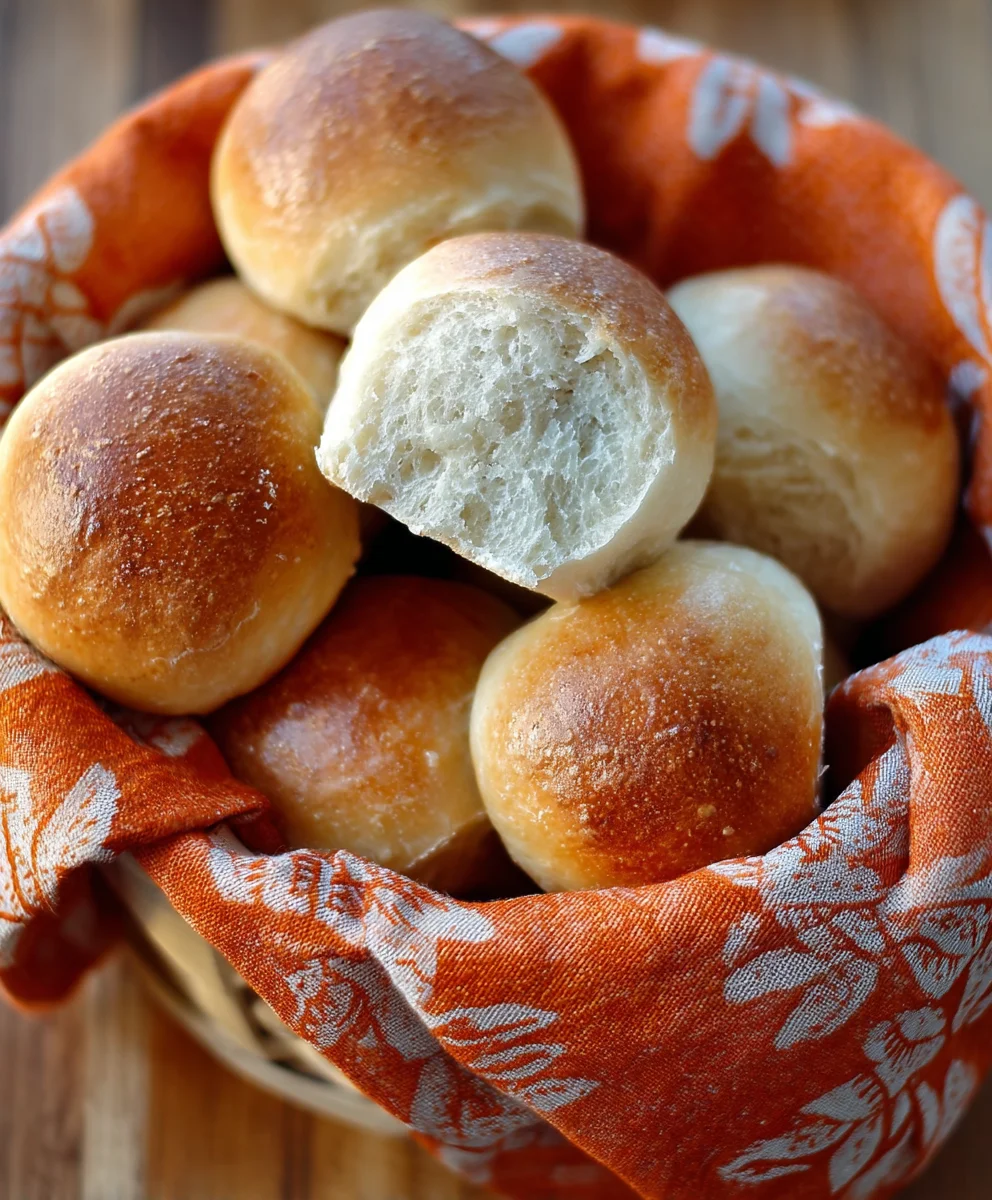
After shaping, it’s important to give the rolls another period of rest and rise. Loosely cover the shaped rolls with plastic wrap or a clean kitchen towel. Let them rest in a warm place for another 30 to 45 minutes, or until they have puffed up noticeably and look visibly fuller. While the rolls are undergoing their second rise, preheat your oven to 375 degrees Fahrenheit (190 degrees Celsius). Once the rolls have completed their second rise and are nicely puffy, you can optionally brush them with a little milk or an egg wash for a richer, golden-brown crust. Carefully place the baking sheet into the preheated oven. Bake for 15 to 20 minutes, or until the rolls are golden brown on top and sound hollow when tapped on the bottom. The exact baking time will depend on your oven and the size of your rolls, so keep an eye on them. Once baked to perfection, remove them from the oven and transfer them to a wire rack to cool slightly before serving. Enjoy your warm, homemade French Bread Dinner Rolls!
Conclusion:
You’ve now mastered the art of creating delightful French Bread Dinner Rolls right in your own kitchen! These rolls are a testament to the simple yet profound joy of homemade bread. Their fluffy interior and perfectly crisp crust make them an ideal accompaniment to any meal. Whether you’re serving a hearty stew, a delicate roast, or even just a comforting bowl of soup, these French Bread Dinner Rolls will elevate the experience. Don’t hesitate to get creative with your serving suggestions – consider slathering them with garlic butter, serving them alongside a cheese board, or even transforming them into mini sandwiches. For those seeking to experiment further, try incorporating herbs like rosemary or thyme into the dough for an added aromatic layer, or perhaps a touch of sweetness with a hint of honey. Remember, baking is a journey, and the most important ingredient is your enthusiasm. Enjoy sharing these wonderful French Bread Dinner Rolls with your loved ones!
Frequently Asked Questions about French Bread Dinner Rolls:
Q1: How can I ensure my French Bread Dinner Rolls have a perfectly crisp crust?
To achieve that desirable crisp crust, I recommend using a baking sheet with holes for better air circulation. Additionally, you can create steam in your oven by placing a shallow pan filled with water on the bottom rack during the initial baking phase. This steam helps the crust develop its signature crispness.
Q2: Can I make the dough for these French Bread Dinner Rolls ahead of time?
Absolutely! The dough for your French Bread Dinner Rolls can be prepared and then refrigerated for up to 24 hours. This allows for a slow, cold fermentation, which can actually enhance the flavor of the bread. When you’re ready to bake, simply let the dough come to room temperature for about 30-60 minutes before shaping and proceeding with the recipe.
Q3: My rolls aren’t rising as much as I expected. What could be the issue?
Several factors can affect rise. Ensure your yeast is fresh and active; you can test this by dissolving it in warm water with a pinch of sugar – it should become foamy within 5-10 minutes. Also, check your proofing environment. Yeast thrives in warmth, so a slightly warm, draft-free spot is ideal. Avoid overly hot temperatures, which can kill the yeast.
Easy French Bread Dinner Rolls – Soft & Delicious
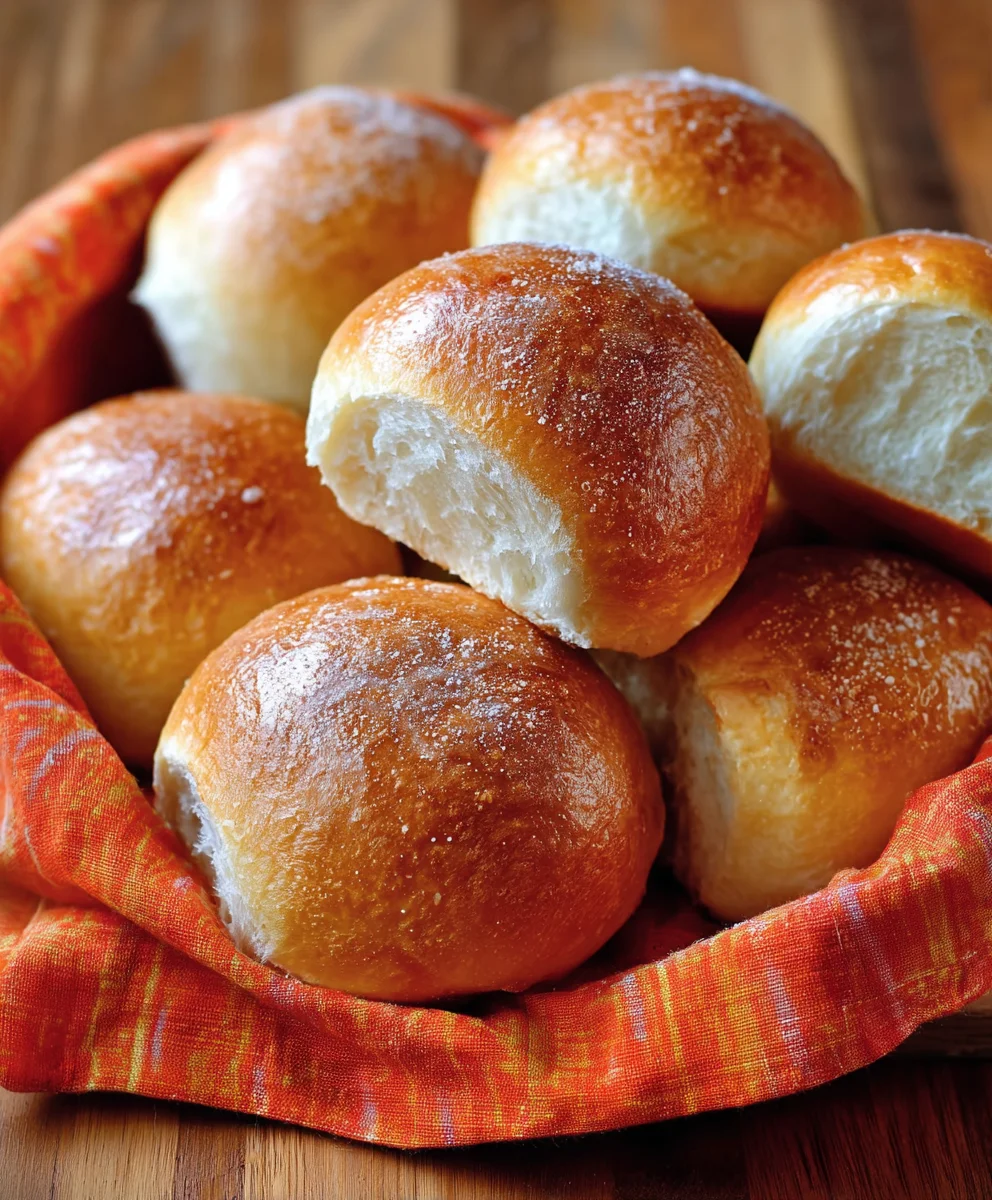
Soft, delicious, and easy-to-make French bread dinner rolls perfect for any meal.
Ingredients
-
1 cup warm water (under 110 degrees Fahrenheit)
-
1 teaspoon active dry yeast
-
1/2 teaspoon honey
-
2 1/4 cups all-purpose flour, plus extra for dusting
-
1 teaspoon salt
Instructions
-
Step 1
Activate the yeast: In a medium bowl, combine 1 cup warm water (105-110°F) and sprinkle 1 teaspoon active dry yeast over the top. Let it sit for 5-10 minutes until foamy. -
Step 2
Add sweetener and flour: Stir in 1/2 teaspoon honey. Gradually add 2 1/4 cups all-purpose flour and 1 teaspoon salt. Mix until a shaggy dough forms. -
Step 3
Knead the dough: Turn the dough onto a lightly floured surface and knead for 8-10 minutes until smooth and elastic. The dough should spring back slowly when poked. -
Step 4
First rise: Place the dough in a lightly oiled bowl, cover, and let it rise in a warm place for 1 to 1.5 hours, or until doubled in size. -
Step 5
Shape the rolls: Punch down the dough, divide it into 8-12 equal portions, and shape each into a smooth ball. Place on a parchment-lined baking sheet. -
Step 6
Second rise and baking: Loosely cover the shaped rolls and let them rise for another 30-45 minutes. Preheat oven to 375°F (190°C). Bake for 15-20 minutes until golden brown.
Important Information
Nutrition Facts (Per Serving)
It is important to consider this information as approximate and not to use it as definitive health advice.
Allergy Information
Please check ingredients for potential allergens and consult a health professional if in doubt.

Leave a Comment