

Chimichurri sauce recipe is more than just a condiment; it’s a vibrant explosion of fresh flavors that instantly elevates any dish it graces. If you’ve ever savored the succulent char of grilled steak or the bright zest of roasted vegetables, chances are you’ve experienced the magic of this Argentinian delight. What makes chimichurri sauce so universally loved? It’s the perfect harmony of herbaceous parsley and oregano, the zesty kick of garlic and vinegar, and the subtle warmth of red pepper flakes, all bound together with good quality olive oil. It’s remarkably simple to make, yet its complexity is astounding. This isn’t just about adding taste; it’s about adding life to your plate. We’re about to dive into how you can create this culinary masterpiece in your own kitchen. Get ready to transform your meals with our straightforward chimichurri sauce recipe.

Chimichurri Sauce Recipe
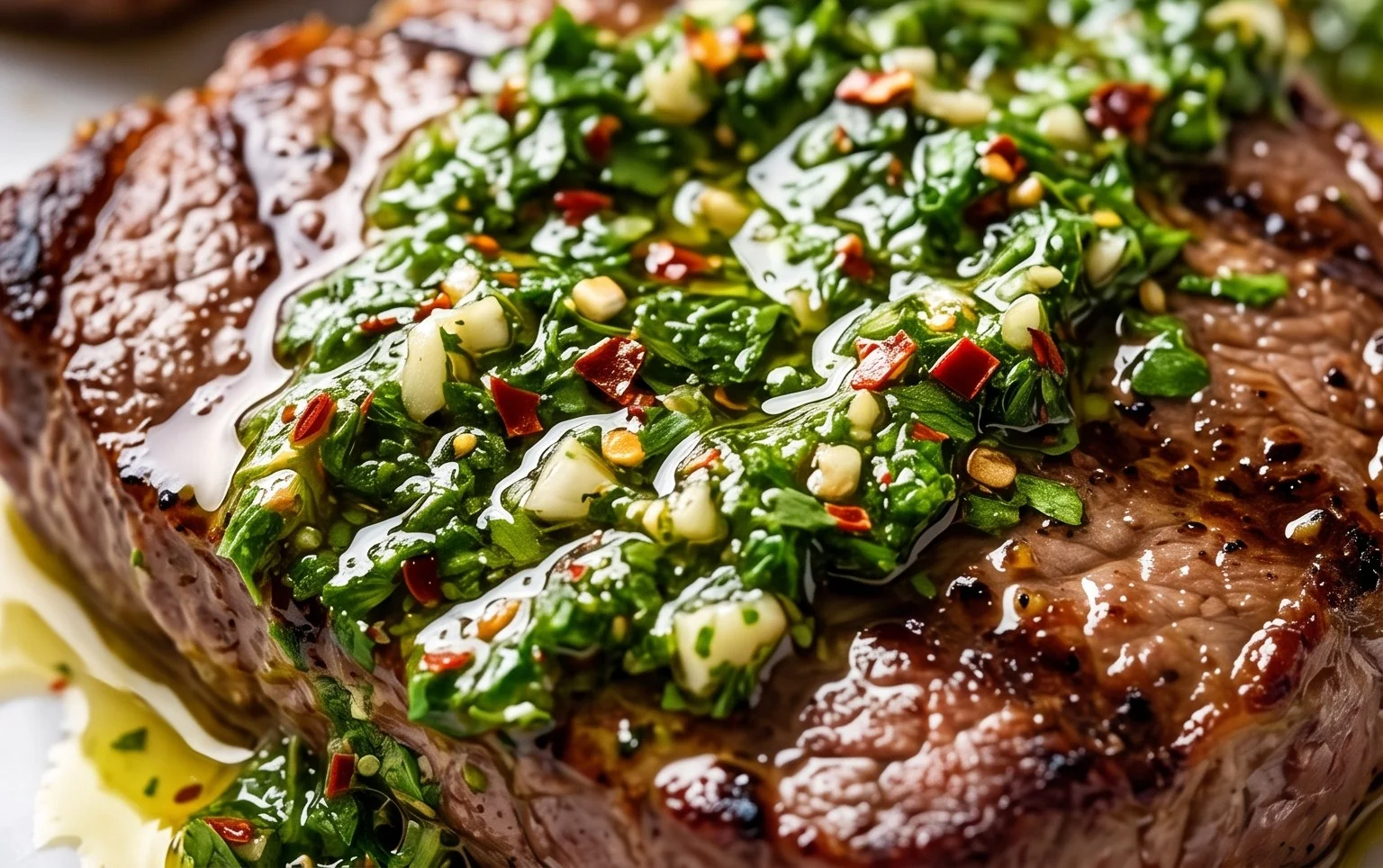
There are few condiments that possess the vibrant, herbaceous punch of chimichurri. This classic Argentinian sauce is a revelation, transforming simple grilled meats, roasted vegetables, and even a humble sandwich into something truly extraordinary. Forget those store-bought versions; making your own fresh chimichurri is remarkably easy and the flavor difference is night and day. Its bright, zesty, and slightly spicy profile is incredibly versatile, making it a staple in my kitchen. It’s the perfect accompaniment to steak, chicken, fish, and is equally delicious drizzled over roasted potatoes or asparagus.
The beauty of chimichurri lies in its simplicity and the quality of its fresh ingredients. It’s a celebration of green, fresh herbs, brightened by citrus and given a gentle kick from chili flakes and garlic. The process is more about meticulous chopping and balancing flavors than actual cooking. Once you’ve made it once, you’ll find yourself reaching for it time and time again. Let’s dive into what you’ll need and how to bring this delightful sauce to life.
Ingredients:
Instructions:
Creating this vibrant sauce is a straightforward process, primarily focused on preparing the fresh ingredients and then combining them. The key is to ensure everything is finely chopped, allowing the flavors to meld beautifully without any overpowering chunks.
Prepare the Herbs and Aromatics
Begin extract by meticulously preparing your fresh herbs. It’s crucial to remove all stems from the parsley, cilantro, and oregano. Stems can impart a woody or bitter flavor and an unpleasant texture to the sauce. For the parsley and cilantro, I like to gently rinse them and then pat them thoroughly dry with paper towels. Excess moisture can dilute the flavor of the oil and vinegar. Once dry, gather the herb leaves and chop them as finely as possible. A sharp knife is your best friend here. Aim for a consistency where you can still discern the individual herbs, but they are small enough to create a beautiful, textured sauce. Next, mince the peeled garlic cloves very finely. If you prefer a milder garlic flavor, you can lightly smash the garlic cloves with the side of your knife and then mince them. For the red onion or shallots, a fine chop is also ideal. The goal here is to have these components as small as possible so they integrate seamlessly into the sauce.
Combine Dry Ingredients and Aromatics
In a medium-sized bowl, combine the finely chopped parsley, cilantro, and oregano. Add the finely minced garlic and the red pepper flakes to the bowl. If you enjoy a spicier chimichurri, feel free to add a little more red pepper flakes at this stage. You can also control the heat by adding just a pinch and then tasting the sauce later, adding more if desired. Stir these dry ingredients together thoroughly. This initial mixing helps to distribute the aromatics and chili flakes evenly before introducing the liquids. It’s a small step, but it ensures a more harmonious flavor profile in the final sauce.
Incorporate the Liquids
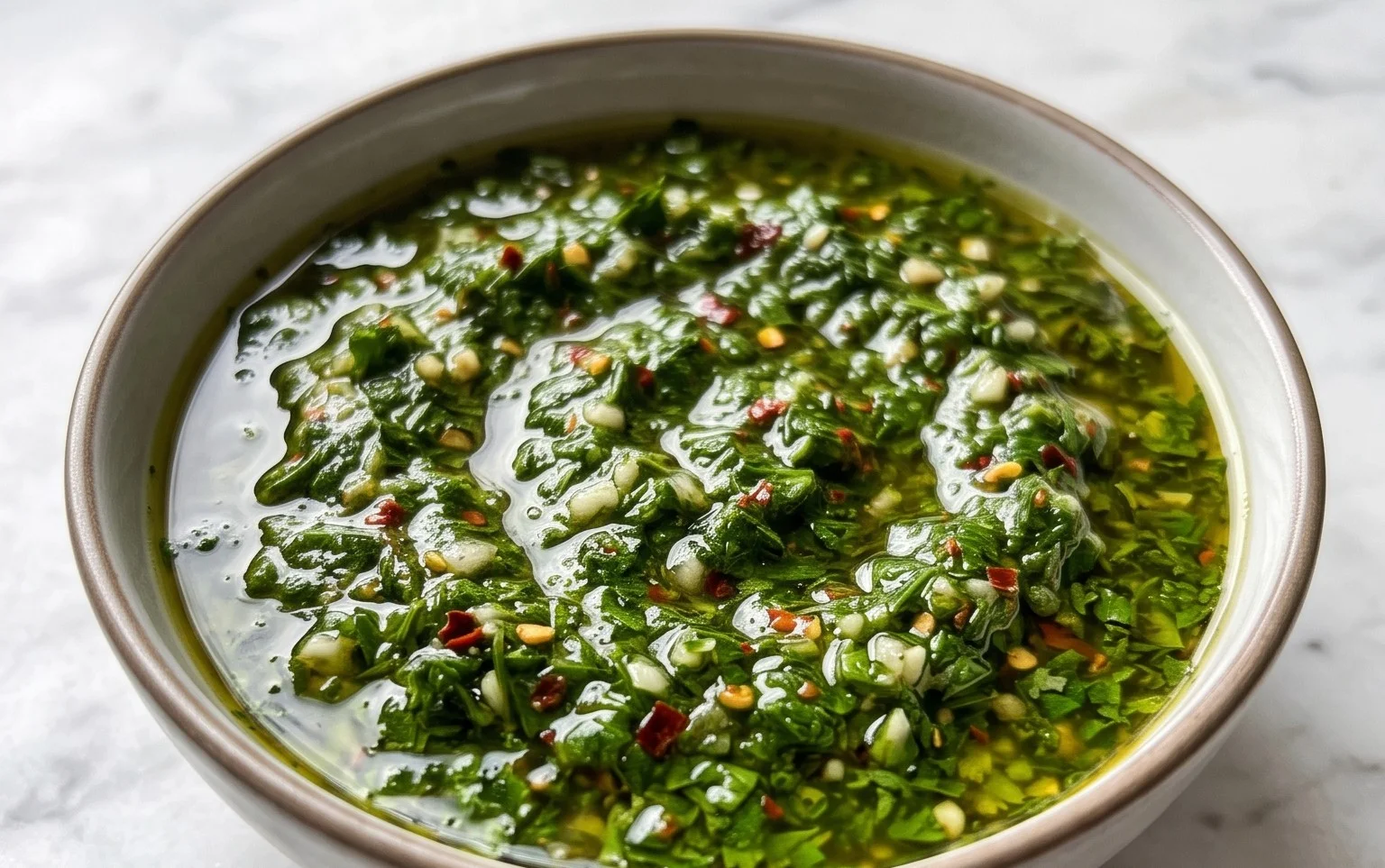
Now it’s time to add the liquid components that will bring our chimichurri to life. Pour in the extra-virgin extract olive oil. I always opt for a good quality extra-virgin extract olive oil, as its peppery notes and fruity undertones contribute significantly to the sauce’s overall flavor. Next, add the red grape juice vinegar. This type of vinegar offers a delightful tang without being as sharp as some other vinegars, and its slight sweetness complements the herbs beautifully. Finally, squeeze in the fresh lemon juice. Freshly squeezed lemon juice is non-negotiable; the bottled stuff simply doesn’t compare in terms of brightness and zest. Stir everything together until well combined. At this point, you’ll already start to see the beautiful, vibrant green color emerge.
Season and Allow Flavors to Mingle
Add the kosher salt to the bowl. Seasoning is key to unlocking the full potential of any dish, and chimichurri is no exception. Start with the recommended teaspoon of kosher salt, then taste and adjust as needed. Remember, the salt will not only enhance the existing flavors but will also help to draw out the natural juices from the herbs and onions, further deepening the sauce’s complexity. Once seasoned, give the chimichurri a final, thorough stir. For the best results, I highly recommend letting the chimichurri sit for at least 30 minutes at room temperature before serving. This resting period is crucial because it allows all the vibrant flavors of the fresh herbs, garlic, vinegar, and oil to meld together. The longer it sits, the more harmonious and developed the taste will become. You can also make it several hours in advance and store it in the refrigerator, allowing the flavors to deepen even further.
Taste and Adjust Seasoning
After the resting period, it’s time for the most important step: tasting! Take a small spoonful of the chimichurri and taste it. Does it need more salt? Is it tangy enough? Would you prefer a bit more heat from the red pepper flakes? This is your chance to customize the sauce to your exact preferences. If you find it too acidic, you can add a tiny pinch more salt or a splash more olive oil. If it’s not zesty enough, a little more lemon juice will do the trick. If you want it spicier, stir in more red pepper flakes. Don’t be afraid to experiment! Once you’re happy with the balance of flavors, your homemade chimichurri is ready to be enjoyed. It’s best served at room temperature, allowing all its fresh notes to shine.
This chimichurri sauce is incredibly adaptable. While the listed ingredients are classic, feel free to experiment with other fresh herbs like flat-leaf parsley, chives, or even a touch of mint. The foundation of fresh herbs, garlic, good quality olive oil, and bright acidity is what makes it so universally appealing. Serve it generously!
Conclusion:
There you have it! This chimichurri sauce recipe is a true game-changer for your culinary adventures. Its vibrant, herbaceous flavor profile, driven by fresh parsley and oregano, brightened with garlic and vinegar, makes it incredibly versatile. It’s the perfect way to elevate grilled meats, roasted vegetables, and even simple bread. I’ve found it adds an instant zing that transforms ordinary dishes into something truly special. Don’t be afraid to experiment; the beauty of this chimichurri sauce is its adaptability.
Beyond its classic pairing with steak, try spooning it over chicken, fish, or even as a dressing for hearty salads. It’s also fantastic dolloped onto roasted potatoes or tossed with pasta. So, gather your fresh herbs, embrace the simplicity, and give this amazing chimichurri sauce recipe a try. You’ll be so glad you did!
Frequently Asked Questions:
Can I make this chimichurri sauce ahead of time?
Absolutely! Chimichurri sauce actually tastes even better after a few hours or overnight, as the flavors meld together beautifully. Store it in an airtight container in the refrigerator for up to a week.
What if I don’t have fresh oregano?
While fresh oregano is ideal for the best flavor, you can substitute with dried oregano. Use about 1 teaspoon of dried oregano for every tablespoon of fresh. Just be aware that the flavor might be slightly less bright.
Can I add a bit of heat to this chimichurri sauce?
Definitely! For a spicy kick, finely chop a small red chili pepper or add a pinch of red pepper flakes along with the other ingredients. Adjust the amount to your preferred level of heat.
Chimichurri Sauce
A vibrant and herbaceous Argentinian sauce perfect for grilled meats, fish, and vegetables.
Ingredients
-
1 cup fresh Italian flat-leaf parsley, leaves only, stems removed
-
1/4 cup fresh cilantro, leaves only, stems removed
-
1/4 cup fresh oregano, leaves only, stems removed
-
1/3 cup roughly chopped red onion
-
3 cloves garlic, peeled
-
1/2 teaspoon red pepper flakes
-
1/2 cup extra-virgin olive oil
-
1/4 cup red grape juice vinegar
-
3 tablespoons fresh lemon juice
-
1 teaspoon kosher salt
Instructions
-
Step 1
Finely chop the parsley, cilantro, and oregano. -
Step 2
Mince the chopped red onion and garlic. -
Step 3
In a medium bowl, combine the chopped herbs, red onion, garlic, and red pepper flakes. -
Step 4
Whisk in the extra-virgin olive oil, red grape juice vinegar, and fresh lemon juice. -
Step 5
Stir in the kosher salt. -
Step 6
Let the sauce sit for at least 10 minutes to allow the flavors to meld. Can be stored in an airtight container in the refrigerator for up to a week.
Important Information
Nutrition Facts (Per Serving)
It is important to consider this information as approximate and not to use it as definitive health advice.
Allergy Information
Please check ingredients for potential allergens and consult a health professional if in doubt.

Leave a Comment